Meme Coin Scrutiny After Al Green Confrontation
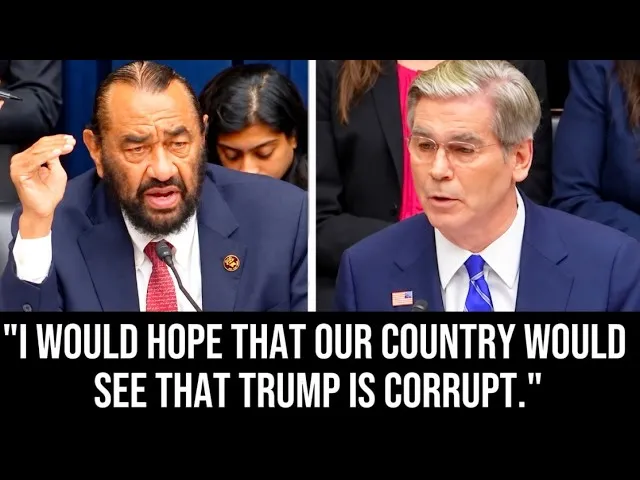
Video: WHOA: Al Green GRILLS Bessent over Trump's meme coin “scam”
You can order the same kind of articles for your own video to boost it on YouTube and Google. Just message the Telegram bot @sat_sit_bot. The bot writes and publishes the articles itself (with your YouTube video embedded) on popular topical websites (no ads). Your first 50 articles are free.
· based on the channel Daniel Reed
Meme coins are cryptocurrencies often inspired by internet jokes or viral trends, but their growing use in political fundraising has drawn intense scrutiny. In a recent congressional hearing, Senator Al Green pressed Treasury Secretary Scott Bessent over a meme coin linked to Donald Trump, labeling it a "scam" and questioning its legitimacy. The exchange, captured in a video by Daniel Reed, highlights the fierce debate over whether such tokens are harmless fun or a dangerous financial instrument that can be exploited for illicit purposes.
The Al Green and Bessent Confrontation
During the hearing, Senator Al Green directly challenged Treasury Secretary Scott Bessent on the nature of Trump's meme coin, asking whether it was appropriate for a sitting president to profit from such a venture. Green's line of questioning suggested that the coin could be a vehicle for corruption, comparing it to a scam. Bessent's responses, which seemed to deflect and express unfamiliarity with the details, only fueled the senator's frustration. The exchange, which can be viewed at 00:00, set the tone for a broader discussion on the risks of politically affiliated cryptocurrencies.
What Is a Meme Coin and Why Is It Controversial?
A meme coin is a type of cryptocurrency that gains popularity through social media and online communities, often lacking intrinsic value or a clear use case. While some see them as a fun entry into crypto, critics argue they are highly speculative and prone to manipulation. The controversy surrounding Trump's meme coin stems from its potential to blur the lines between public service and private profit. As Green pointed out, the coin's structure could allow insiders to benefit at the expense of ordinary investors, who may be lured by the promise of quick gains. The lack of regulatory oversight makes it difficult to distinguish between legitimate projects and outright fraud.
Allegations of a Scam and Market Risks
The term "scam" was used repeatedly during the hearing, with Green implying that the meme coin might be designed to enrich its creators while leaving retail investors holding worthless tokens. This concern is echoed by market analysts who warn that meme coins are often subject to pump-and-dump schemes, where early investors sell off their holdings at the peak, causing prices to crash. The volatility of these assets is extreme, and without proper disclosure, buyers may not understand the risks. Furthermore, the anonymity of crypto transactions raises fears of money laundering, as some commentators have noted that meme coins could be used to facilitate illicit financial activities.
Political and Regulatory Implications
The confrontation between Green and Bessent underscores a growing unease among lawmakers about the intersection of politics and cryptocurrency. As more public figures launch their own digital tokens, the potential for conflicts of interest and ethical breaches becomes a pressing issue. The hearing revealed a partisan divide, with some defending the innovation and others calling for stricter regulation. Bessent's apparent lack of familiarity with the specifics of the coin, as seen at 00:00, drew criticism from those who expect Treasury officials to be well-informed about financial products that bear the president's name. This episode may accelerate calls for legislation to govern meme coins and other crypto assets.
Typical Questions from the Community
Many viewers of the hearing expressed confusion and skepticism about meme coins. Common questions include: Are meme coins inherently fraudulent? How can investors protect themselves? And why do politicians engage with such assets? The consensus among critics is that while not all meme coins are scams, the lack of transparency and the prevalence of hype make them a high-risk investment. Some commenters shared anecdotes of trying to sell Trump-themed coins on online marketplaces with little success, highlighting the liquidity risks. Others questioned the difference between a Ponzi scheme and a pyramid scheme in the context of crypto, pointing to the need for better financial education.
Conclusion: The Need for Vigilance
The heated exchange between Senator Al Green and Treasury Secretary Scott Bessent serves as a stark reminder of the dangers lurking in the unregulated world of meme coins. As Daniel Reed's video breakdown shows, the line between entertainment and exploitation is thin, and without proper oversight, investors could be left vulnerable. The incident has amplified calls for accountability and clearer rules, ensuring that political figures do not use their influence to promote speculative assets. For now, buyers should approach meme coins with extreme caution, recognizing that the hype may mask significant risks.
Key takeaways
- Senator Al Green grilled Treasury Secretary Scott Bessent over Trump's meme coin, calling it a 'scam'.
- The confrontation highlighted concerns about insider access and money laundering in meme coin markets.
- Critics argue meme coins are akin to Ponzi schemes, with retail investors bearing the brunt of losses.
- Bessent appeared unfamiliar with the specifics, drawing accusations of evasion from commentators.
- The episode underscores the lack of clear regulation for politically connected crypto assets.
Source: WHOA: Al Green GRILLS Bessent over Trump's meme coin “scam” · Markdown version
Questions & answers
Are meme coins considered securities?
The classification of meme coins as securities is still unclear and varies by jurisdiction. In the U.S., the SEC has not provided definitive guidance, but some argue that if a meme coin is promoted with the expectation of profit from others' efforts, it could be deemed a security. This ambiguity leaves room for regulatory action.
How can I tell if a meme coin is a scam?
Red flags include anonymous teams, promises of guaranteed returns, and aggressive marketing without a clear use case. Research the project's whitepaper, check for audits, and be wary of coins that rely solely on celebrity endorsements. If it sounds too good to be true, it likely is.
Why do politicians get involved with meme coins?
Politicians may launch or endorse meme coins to engage with younger audiences, fundraise, or capitalize on viral trends. However, this can create conflicts of interest and ethical concerns, as it blurs the line between public service and personal profit.
What is the difference between a Ponzi scheme and a pyramid scheme in crypto?
A Ponzi scheme pays returns to earlier investors using funds from new investors, while a pyramid scheme relies on recruiting new participants to generate returns. Both are unsustainable and illegal, but meme coins can exhibit characteristics of either if they lack real value and depend on continuous hype.